

A slow checkout line costs more than a sale. It frustrates customers, ties up staff, and creates mistakes that show up later in inventory counts, refunds, and bookkeeping. That is why retail POS processing for small business matters so much. The right setup does more than accept cards – it keeps the front counter moving, helps owners stay on top of cash flow, and makes the day-to-day work of running a store a lot easier.
For small retailers, the challenge is usually not whether to accept card payments. That part is a given. The real question is whether your current system is helping your business grow or quietly making things harder and more expensive than they need to be.
What retail POS processing for small business really includes
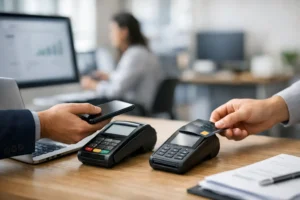
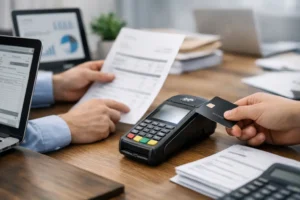
A lot of business owners hear “POS” and think of a card terminal on the counter. That is only part of the picture. Retail POS processing for small business typically includes the hardware your team uses in-store, the software that manages sales and reporting, and the payment processing that moves money from the customer to your business account.
When those parts work well together, checkout is fast, receipts are easy to track, and reporting is clearer. You can ring up a sale, accept a chip card or mobile wallet, email a receipt, and see that transaction reflected in your reporting without extra steps. If the system also connects with QuickBooks or your back-office tools, the time savings add up fast.
When those parts do not work well together, owners end up dealing with duplicate entry, confusing fees, equipment issues, and support lines that never seem to solve the problem. That is where many small businesses get stuck. They are not just paying for processing. They are paying in lost time and daily frustration.
Why small retailers outgrow basic payment setups
Many stores start with whatever is fastest to set up. That makes sense in the early days. But as transaction volume grows, product lines expand, or staffing changes, a basic setup can start showing its limits.
A simple card reader may be enough for a pop-up shop or a brand-new storefront. It is usually not enough for a busy retail business that needs inventory visibility, employee permissions, returns tracking, and better cost control. The same goes for systems that look inexpensive upfront but charge more as your volume increases or force you into hardware and contracts that are hard to leave.
That is the trade-off small businesses need to watch. Low entry cost can be attractive, but the total cost of using the system month after month matters more. If your provider makes it hard to understand your rates, locks you into long terms, or charges extra for the features you now rely on, the setup is no longer serving the business.
What to look for in a retail POS system
The best POS setup for a small business is the one that fits how you actually sell. A boutique clothing store, a convenience store, and a specialty gift shop may all need card acceptance, but they do not use their systems in the same way.
Speed at checkout should come first. Customers expect card payments to process quickly, and your staff should not have to fight the screen to complete a simple sale. The system should be easy to learn, especially if you deal with part-time staff or seasonal hiring.
After that, focus on visibility. Good POS software should help you track sales, monitor trends, manage users, and review reporting without making you dig for basic answers. If you are trying to reorder bestsellers, spot slow-moving inventory, or compare location performance, the system should support those decisions.
Integration matters too. If your POS does not connect cleanly with accounting tools, ecommerce, invoicing, or customer records, you end up creating workarounds. Those workarounds cost time and often lead to errors. For a small business, that extra admin work lands on the owner or a small team that already has too much to do.
Support is another factor that often gets overlooked during setup and becomes a major issue later. When your terminal stops working on a Saturday, or a batch does not close, or your staff cannot process a refund, fast support matters. Small retailers do not have the luxury of waiting days for answers.
Processing costs are not just about rates
Every business wants lower processing costs, but the lowest advertised rate is not always the best deal. Card processing pricing can get complicated quickly, and many merchants do not realize how much they are paying until they take a close look at statements.
A strong retail payment setup should give you pricing that is easy to understand and realistic for your transaction mix. Some businesses process mostly debit. Others see more rewards cards or keyed transactions. Those differences affect costs. A local retailer with a stable in-person customer base will usually have different needs than a business handling a high volume of phone orders or mixed sales channels.
That is why a real analysis matters more than a generic quote. Small businesses should also watch for monthly fees, PCI fees, equipment leases, annual charges, and early termination penalties. A system that offers free equipment, flexible terms, or no long-term contract can make a big difference, especially for growing businesses that do not want to be boxed in.
The value of one system across every sales channel
Retail does not always happen only at the counter anymore. Many small businesses sell in-store, over the phone, through invoices, at events, and sometimes online too. If each payment channel runs through a different tool, reporting gets messy fast.
A better approach is to use a payment setup that supports how you already do business and gives you room to expand. That might include a countertop POS, mobile payments for off-site sales, a virtual terminal for phone orders, and invoicing for special orders or repeat customers. Keeping those options connected helps you track revenue more clearly and serve customers in the way they prefer to pay.
This is especially useful for businesses that blur the line between retail and service. A store that also takes deposits, special orders, or recurring payments needs more than a basic register replacement. It needs a payment system that can adapt without forcing the business into a patchwork of separate tools.
Local support makes a bigger difference than most owners expect
Small businesses hear a lot of promises during the sales process. The real test comes after setup. Can you get help quickly? Can you talk to someone who understands your business? Can you make a change without getting bounced around a national call center?
That service piece is where many merchants decide whether to stay with a provider or move on. Retailers need fast answers, honest guidance, and support that feels accountable. For businesses in North Georgia, working with a local provider can mean less downtime, simpler communication, and more confidence when issues come up.
Patriot Processing is built around that kind of relationship. For merchants who want straightforward terms, flexible payment tools, and support that is actually available when needed, that local approach can remove a lot of friction from daily operations.
When it is time to switch providers
Not every frustration means you need a new POS system. But some signs are hard to ignore. If your fees keep climbing, your equipment feels outdated, your reporting is limited, or support is unreliable, it may be time to reevaluate the setup.
The same is true if your contract makes it expensive to leave. Many small businesses stay with poor providers simply because they assume switching will be too disruptive or too costly. In reality, a transition can be easier than expected when the new provider offers onboarding help, equipment options, and contract buyout support.
The key is to look at the full picture. Do you need faster checkout, lower costs, better reporting, or more flexibility across payment channels? The best move is not always the flashiest technology. It is the system that solves your current problems without creating new ones.
Choosing a retail payment partner, not just a processor
There is a difference between a company that gives you a terminal and a company that helps you run your business better. For small retailers, that difference shows up in pricing clarity, setup support, integration options, and how quickly issues get resolved.
Retail POS processing for small business should be practical. It should help you accept payments anywhere you need to, reduce wasted time, and give you confidence that your system can keep up as your business grows. You should not have to overpay for basic functionality or sign away flexibility just to get started.
If your current setup feels harder than it should, that is worth paying attention to. The right POS and processing solution should make business simpler at the counter, cleaner in the back office, and easier to manage on your busiest days. That is not a luxury for a small retailer. It is part of staying competitive and keeping customers coming back.



No comment yet, add your voice below!