


A lot of business owners hear “free equipment” and assume there has to be a catch. Sometimes there is. Sometimes free credit card terminal placement is exactly what it sounds like – a way to start accepting payments without paying upfront for hardware. The difference comes down to the provider, the contract terms, and whether the setup actually fits how your business gets paid.
If you run a retail store, service business, medical office, or growing local operation, the real question is not whether a terminal is free. The real question is whether the full payment setup helps your business save money, move faster, and avoid getting stuck with the wrong system.
What free credit card terminal placement actually means
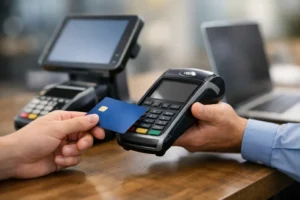
Free credit card terminal placement usually means a payment provider gives you a terminal at no upfront equipment cost as long as you process payments with them. In many cases, the provider owns the device and places it at your business for your use. In other cases, the equipment may become yours after a certain period or under specific terms.
That sounds simple, but the details matter. A free terminal is often part of a larger merchant services agreement. That agreement may include processing rates, support terms, software access, replacement policies, and cancellation conditions. If those terms are fair and clearly explained, free placement can be a smart move. If the equipment is used to lock you into a long-term contract with inflated fees, it can cost more than buying a terminal yourself.
For many small and mid-sized merchants, free placement makes sense because it removes one more upfront expense. Instead of spending hundreds of dollars on hardware before you even run your first transaction, you can put that money back into inventory, payroll, marketing, or day-to-day operations.
Why businesses look for free credit card terminal placement
Most owners are not shopping for terminals because they love payment hardware. They are trying to solve a business problem. Maybe your current machine is outdated. Maybe your provider raised rates without warning. Maybe your equipment does not support tap payments, mobile wallets, or chip cards. Maybe you are opening a new location and want to keep startup costs down.
Free credit card terminal placement appeals to businesses because it lowers friction. You can get set up faster, preserve cash, and avoid the headache of researching devices separately from processing. For a busy merchant, that matters.
It can also be a good fit for businesses with changing needs. A restaurant adding curbside pickup, a contractor taking payments in the field, or a boutique moving into both in-store and online sales may not want to make a big hardware investment before they know exactly what setup works best.
When free equipment is a good deal
A free terminal offer is worth serious attention when the pricing is transparent, the service is responsive, and the equipment matches your business. That last point gets overlooked all the time.
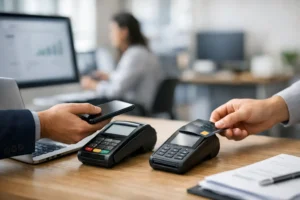
A countertop terminal may be perfect for a retail counter with steady in-person transactions. It may be the wrong fit for a plumbing company, a pop-up vendor, or a medical practice that also takes payments over the phone. In those cases, mobile readers, virtual terminals, invoicing tools, or integrated point-of-sale options may matter just as much as the physical terminal.
The best free equipment programs are built around the way you actually accept payments. They do not force every business into the same box. They give you a practical setup and straightforward support if something needs to be changed.
This is also where local service can make a big difference. If your terminal stops working on a Saturday or you need help training staff, fast support matters more than a fancy promise on a brochure. A provider that answers the phone and solves problems quickly is often worth far more than a slightly lower advertised rate.
Where merchants get burned
Not every free terminal offer is built to help the merchant. Some are built to make the upfront cost disappear while the long-term cost climbs quietly in the background.
The biggest red flag is a long contract with expensive early termination fees. If the terminal is “free” only because you are locked in for years, the equipment may not be free in any meaningful business sense. Another issue is inflated processing rates. A provider may recover the hardware cost by charging more per transaction than a competitive setup would charge.
Leases are another common problem. Some businesses think they are getting free credit card terminal placement when they are actually signing a non-cancelable equipment lease. That can leave you paying far more than the machine is worth, even if you stop using the service.
You should also watch for vague replacement terms, added compliance fees, software charges, or limitations on the types of payments the terminal can accept. A free device that does not support chip, tap, mobile wallets, or your preferred processor features can create more work than it solves.
Questions to ask before you say yes
Before agreeing to any free terminal placement, ask direct questions and expect direct answers. How long is the agreement? Can you cancel anytime? Who owns the equipment? Is there an early termination fee? What are the processing rates, and are they fixed or subject to change? Is support included? What happens if the terminal fails?
You should also ask whether the equipment works with your current workflows. Can it integrate with QuickBooks? Does it support invoicing, recurring billing, mobile payments, or ecommerce if your business needs those options? Can you add another terminal later without rebuilding the whole account?
These questions are not being difficult. They are basic business protection. A good provider should welcome them.
Free terminal placement versus buying equipment
There is no one-size-fits-all answer here. Buying a terminal can make sense if you want full control over the hardware and already know exactly what you need. It may also work for larger merchants with in-house resources or businesses using a very specific POS environment.
But for many small and mid-sized businesses, free placement is the more practical option. It keeps startup costs low, shortens the path to accepting payments, and often includes setup support. If the processing terms are competitive and the agreement is flexible, free placement can be the stronger financial choice.
It depends on what matters most to your business. If preserving cash and reducing friction are the priorities, free equipment is hard to ignore. If total hardware ownership matters more than service and flexibility, buying may be worth considering.
Why support matters as much as price
Payment processing problems rarely happen at a convenient time. They show up during a lunch rush, at closing time, or when a customer is standing at the counter ready to pay. That is why support should be part of the free terminal conversation from the start.
A cheap setup with weak support can cost you sales, staff time, and customer trust. A provider with responsive service can save the day when a machine needs reprogramming, a batch fails, or a new employee needs help using the terminal correctly.
For merchants in North Georgia, working with a provider that understands local businesses and answers quickly can remove a lot of stress. That service-first approach is often what separates a useful free terminal program from one that becomes another vendor headache.
What a strong offer should look like
A solid free credit card terminal placement offer should be easy to explain in plain English. You should know what equipment you are getting, what you are paying in processing, how support works, and what happens if your needs change. You should not need a legal magnifying glass to understand the basics.
You also want room to grow. Maybe today you need one terminal at the front counter. Six months from now you may want mobile payments, online invoicing, ACH, or recurring billing. A payment partner should be able to support that without forcing you into a patchwork system.
That is why merchants often do better with a provider focused on flexibility rather than just pushing hardware. Patriot Processing, for example, works with businesses that want free equipment, straightforward terms, and payment options that fit how they actually operate.
If you are comparing offers right now, keep your eye on the full picture. Free hardware can be a smart move, but only when the rates are fair, the terms are clear, and the support is there when you need it. The best terminal is not the one with the flashiest pitch. It is the one that helps you take payments easily, keep more of your revenue, and get back to running your business.

No comment yet, add your voice below!